
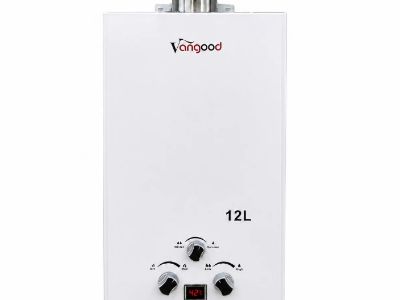
Gas water heaters are important for many homes. They give us hot water for showers, washing dishes, and laundry. To keep your gas water heater working well for a long time, it’s essential to give it some care. This article will share tips on how to maintain your gas water heater. Vangood knows that taking good care of your gas water heater can save you money and keep the hot water flowing when you need it.
How to Identify Common Gas Water Heater Issues for Wholesale Buyers?
When gas water heaters have problems, it can be a big hassle. Recognizing issues early can help you avoid bigger problems later. One common issue is rust or corrosion. If you see any rust on the outside or inside, that’s a sign your heater may be aging. Another issue is strange noises. Sometimes, you might hear popping or banging sounds. This could mean there’s sediment buildup in the tank. Sediment can make your heater work harder than it should. This is not good for its lifespan. Customers should also look for leaks. If you see water pooling around the heater, that’s a problem that needs fixing. It could mean a broken valve or a crack in the tank. Gas smell is another serious issue. If you smell gas, it’s important to act quickly and call a professional. Don’t ignore these signs! Even if you think it’s a minor issue, it could lead to more significant problems down the line. Regular checks can help you catch these issues early. Always keep your instant water heater gas clean, and if you notice anything odd, don’t hesitate to get help. Vangood believes that being proactive can save money and time.
What to Look for in a High-Quality Gas Water Heater Maintenance Guide?
A good maintenance guide for gas water heaters should be clear and easy to understand. First, it should explain how often you should check and clean your heater. Regular maintenance is crucial to keep everything running smoothly. It’s also helpful to have step-by-step instructions. For example, how to flush the tank to remove sediment is an important task. A quality guide should also tell you about safety tips. This is especially important for natural gas water heater. Knowing what to do in case of a gas leak or other emergency is vital. Additionally, the guide should include a list of tools you may need. Simple tools like a wrench or screwdriver can make maintenance easier. Pictures or diagrams can be great too. They help you visualize what to do. Lastly, a good guide should provide tips for troubleshooting common problems. You should be able to find solutions for issues like not enough hot water or strange noises. Vangood values having easy-to-follow guides because they help everyone, from beginners to experts, take good care of their heaters.
Maintaining your gas water heater is not just about making it last; it’s about keeping your home comfortable and safe. With the right knowledge and tools, you can ensure that your heater works well for years to come.
What Are the Most Common Gas Water Heater Problems and Solutions?
Gas water heaters are great for providing hot water for your home. However, like anything else, they can have problems. One of the most common issues is a lack of hot water. This can happen if the pilot light goes out or if the thermostat is set too low. If your water heater isn’t making hot water, first check the pilot light. If it’s out, follow the instructions in your user manual to relight it. If the light stays on but you still don’t have hot water, check the thermostat. It should be set to a temperature around 120 degrees Fahrenheit for the best results. If it’s set right and still not working, it might be time to call a professional.
Another problem you might face is water leaking from the heater. This can be caused by old pipes or a broken valve. If you see water pooling around your heater, try to find where it’s coming from. If it’s a small leak, you may be able to tighten the fittings or replace the valve. However, if it’s a big leak or if you’re not sure, it’s best to call someone who knows how to fix it. Rusty water is another issue. This usually means that your water heater is getting old. If you see brown or rusty water, it might be time to replace the tank. Regular maintenance, like flushing out the tank, can help prevent this.
Finally, strange noises can indicate a problem. If you hear popping or rumbling sounds, it might mean there’s sediment build-up inside the tank. This is caused by minerals in the water settling at the bottom. You can fix this by flushing the tank. Turn off the water heater, connect a garden hose to the drain valve, and let the water run out until it’s clear. Doing this once a year can keep your water heater running smoothly. Vangood recommends regular checks to catch these problems early so you can enjoy hot water without any worries.
How to Perform Routine Inspections on Your Gas Water Heater?
To keep your gas water heater working well, it’s important to do routine inspections. Start by checking the area around the heater. Make sure there are no items stacked up against it. The heater needs space to breathe and work properly. Look for any signs of leaks or water damage. If you see water on the floor or walls, it could mean there’s a problem. Check the connections and pipes for any signs of rust or wear. If anything looks out of place, don’t ignore it.
Next, check the pilot light. If it’s out, you’ll need to relight it. Follow the instructions that came with your water heater to do this safely. Also, take a look at the burner. You can usually see it through a small window. It should have a blue flame. If it’s yellow or orange, this could mean there’s a problem with the burner or that it needs cleaning. If you’re not sure how to clean it, ask a professional to help. Cleaning the burner helps your heater work more efficiently.
Another important part of your inspection is checking the temperature and pressure relief valve. This is a safety feature that helps release excess pressure. To test it, lift the lever on the valve for a few seconds. You should hear a hissing sound as water comes out. If nothing happens, the valve might be stuck and needs to be replaced. Make sure to check the temperature setting on the thermostat too. It should be set around 120 degrees Fahrenheit to keep your water hot but safe.
Lastly, Vangood suggests flushing the tank once a year. This will help remove any sediment that builds up. Just turn off the heater, connect a hose to the drain valve, and let the water flow out until it’s clear. This simple step can help your heater last longer. By doing these routine inspections, you can catch small problems before they turn into big ones, keeping your water heater running smoothly for years.
Where to Source Quality Replacement Parts for Gas Water Heaters?
If you find that your gas water heater needs replacement parts, it’s essential to choose quality items. Vangood recommends starting with your user manual. This manual will give you important information about the specific parts you need for your model. Check it for part numbers and specifications. Knowing exactly what you need makes it easier to find the right parts.
One good place to look for parts is at local hardware stores. Many of these stores have a section dedicated to plumbing and heating supplies. The staff can also help you find what you need. However, if you can’t find the right part locally, consider shopping online. There are many websites that specialize in water heater parts. Make sure to read reviews before you buy. Look for parts that are made from durable materials and have a good reputation.
Another option is to contact Vangood directly. They can provide you with the specific parts for your water heater model. This way, you can be sure you’re getting the right items. Plus, buying from the manufacturer often comes with a warranty, which gives you peace of mind. If you’re unsure about which parts to buy, you can always ask a professional plumber for advice. They can help guide you to the best options for your heater.
Table of Contents
- How to Identify Common Gas Water Heater Issues for Wholesale Buyers?
- What to Look for in a High-Quality Gas Water Heater Maintenance Guide?
- What Are the Most Common Gas Water Heater Problems and Solutions?
- How to Perform Routine Inspections on Your Gas Water Heater?
- Where to Source Quality Replacement Parts for Gas Water Heaters?