
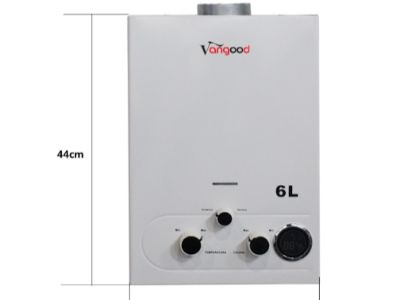
Choosing the right water heater is important for your home or business. Gas water heaters and electric heaters each have their pros and cons. gas water heater use natural gas as fuel, while electric heaters run on electricity. The right choice for you depends on your needs, budget, and preferences. Vangood has both types of heaters, and we can help you pick the best one.
When deciding between gas and electric water heaters, think about what you need.
If you want to save money, gas heaters often cost less to run. They heat water faster, which is great for busy homes or businesses. However, installing gas heaters can be more expensive because they need proper ventilation. On the other hand, electric heaters are easier to install and typically safer. They don't need ventilation, but they can take longer to heat water and might cost more to run if electricity prices are high. Think about how often you use hot water. If you have a big family or run a business that uses a lot of hot water, a gas heater might be better for you. But if you live alone or in a small home, an electric heater could work just fine. Vangood offers both types of heaters, so you can find what fits your needs.
Finding good deals on water heaters can save you money.
For wholesale buyers, it’s smart to look online and compare prices. Many websites list different brands and models, including Vangood. You can also check local suppliers who might have great offers. Sometimes, stores have sales or discounts, so ask if they have any promotions. Buying in bulk can also help you get a better price. If you’re a business owner, reaching out to Vangood directly might be a good idea. Our team can discuss special pricing for larger orders. Don’t forget to consider the warranty and service options when shopping. It's important to get a heater that not only fits your budget but also lasts a long time. Always make sure to do your research before making a purchase.
When choosing between gas water heaters and electric heaters, one important factor to think about is energy efficiency.
Energy efficiency ratings tell us how well a heater uses energy to heat water. natural gas water heater usually have higher energy efficiency ratings than electric ones. This means they can heat water faster and use less energy while doing it. The energy efficiency of gas heaters is often rated using a system called the Energy Factor (EF). A higher EF number means better efficiency. For example, some gas water heaters can have an EF of around 0.67 to 0.95, while electric heaters might range from 0.90 to 0.99. This shows that electric heaters can be very efficient, but gas heaters can heat water more quickly.
Another aspect to consider is how much energy costs in your area. If natural gas is cheaper than electricity where you live, you might save more money using a gas heater. However, if electricity costs less, then an electric heater could be a better choice. Vangood offers both types of heaters, so you can find one that fits your needs and your budget. It’s also important to think about how much hot water you need. If you have a big family that uses a lot of hot water, a gas heater might be the better option because it can provide hot water quickly. For smaller households, an electric heater might work just fine. In the end, looking at energy efficiency ratings helps you make a smart choice for your home.
Next, let’s talk about installation costs.
When you are thinking about buying a new water heater, you need to consider how much it will cost to install it. Gas and electric heaters can have different installation costs. First, gas heaters often need special ventilation to let out the exhaust gases they create when heating water. This can make installation more complicated and expensive. You might need to hire a professional to do this, which can add to the cost. On the other hand, electric heaters usually don’t need much extra work for installation. They can often be plugged in and used right away. This can make electric heaters cheaper to install.
However, it’s important to remember that while electric heaters may be cheaper to install, they might cost more to run over time if electricity prices are high. Vangood recommends checking with a professional to get an accurate estimate of installation costs for both types of heaters. This way, you can plan your budget better. You should also think about how long you plan to use the heater. If you will be in your home for a long time, investing in a small gas water heater might save you money in the long run, even if it costs more to install.
Finally, let’s consider how gas and electric water heaters affect the environment.
This is an important topic because we all want to take care of our planet. Gas heaters use natural gas, which is a fossil fuel. Burning fossil fuels can create greenhouse gases that contribute to climate change. On the other hand, electric heaters can be cleaner because they can use renewable energy sources like wind or solar power. However, this really depends on how the electricity is made in your area. If your electricity comes from coal or other polluting sources, an electric heater might not be as environmentally friendly as you think.
Vangood cares about the environment, and we want our customers to think about it too. When choosing a water heater, consider how much energy is used and where it comes from. If you want to be more eco-friendly, look for electric heaters that use renewable energy. In the end, both gas and electric heaters can be good options, but it’s important to think about the environmental impact of your choice. By making a thoughtful decision, you can help protect the planet while keeping your home warm and comfortable.
Table of Contents
- When deciding between gas and electric water heaters, think about what you need.
- Finding good deals on water heaters can save you money.
- When choosing between gas water heaters and electric heaters, one important factor to think about is energy efficiency.
- Next, let’s talk about installation costs.
- Finally, let’s consider how gas and electric water heaters affect the environment.