

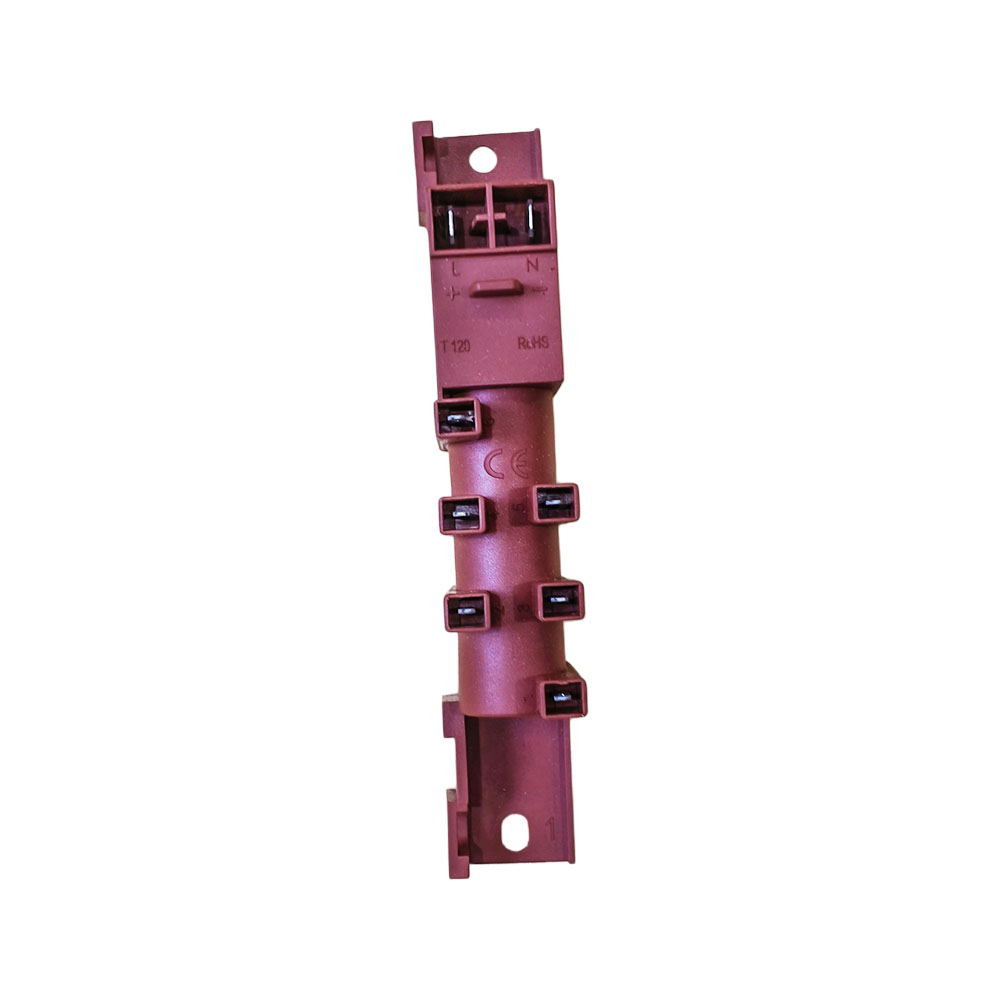
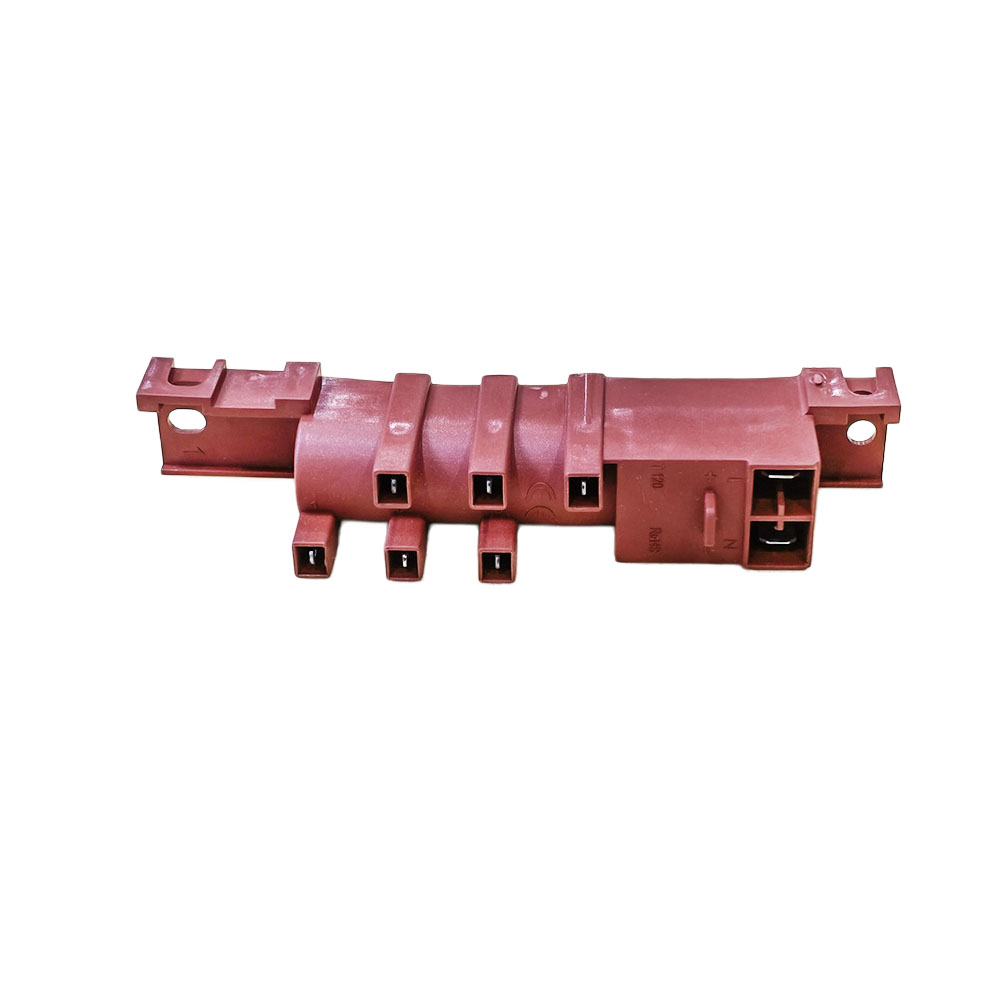
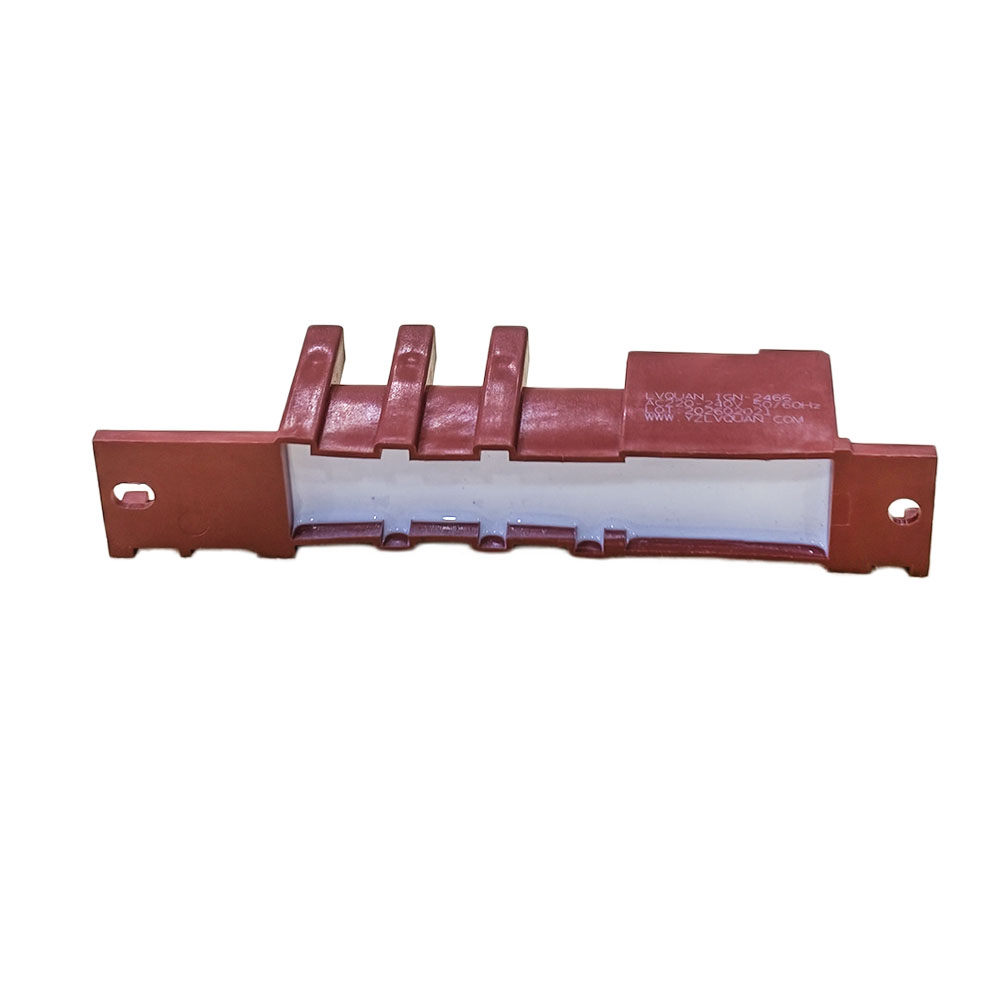
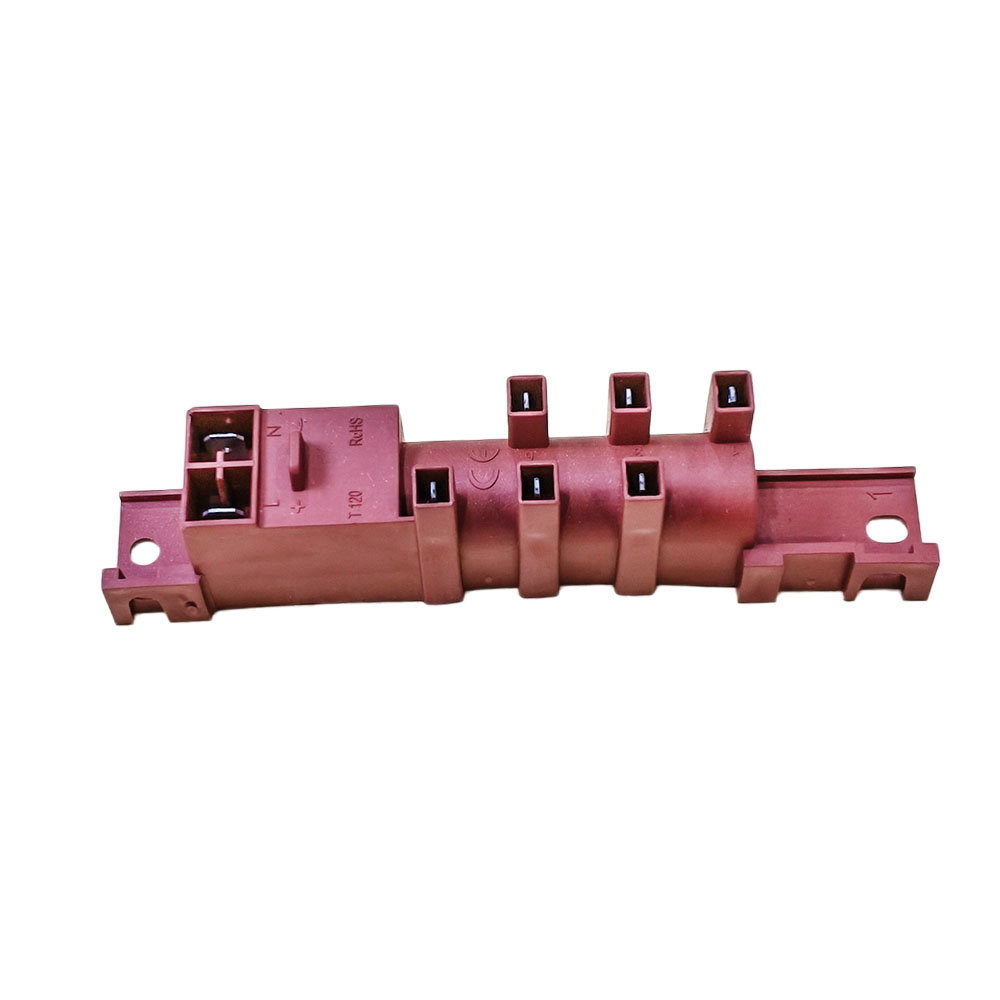
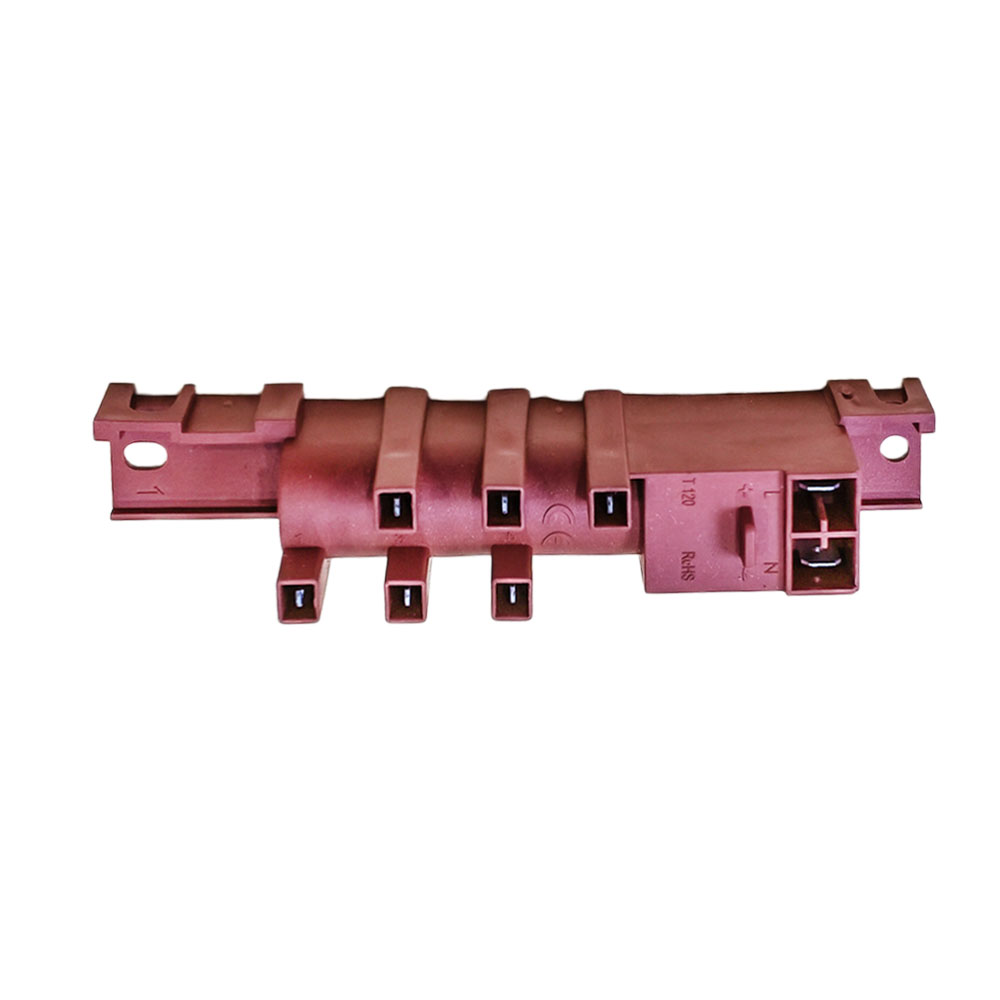
tændingsmodul til gaskomfur med 6 brændere, elektronisk gnistgenerator på 10 kV
Vangood-6-brænder-gasovnens tændemodul er en højspændingselektronisk gnistgenerator, der er designet til kompatible flerbrænder-gasovne. Den omdanner elektrisk input til en højspændingstændingsudgang og fungerer sammen med tænde-elektroder for at generere den nødvendige gnist til start af brænderantænding.
BESKRIVELSE
Produktet er positioneret til gasovne med seks brændere , herunder store boligkogeapparater, erhvervskøkkener, reparation af gasapparater, udskiftning af komponenter samt OEM-montage af apparater.
En gasovn med seks brændere kan levere flere tilberedningszoner end en standardkonfiguration med fire brændere, hvilket gør den velegnet til større køkken og anvendelser, hvor flere tilberedningsprocesser kan finde sted samtidigt. For disse apparater skal tændsystemet afstemmes med den samlede brænderkonfiguration, elektrodeanordning, ledningsudformning og styresystem.
Dette tændemodul er specificeret til 220–240 V vekselspænding ±10 % indgang og 50–60 Hz frekvens. Dets tændspænding når ≥10 kV ved 30 pF , mens den manuelle gnistfrekvens er specificeret til 1–10 Hz ved 230 V vekselspænding . Den beregnede levetid er ≥30.000 tændcyklusser .
Modulet bruger et plasthus og har en specificeret maksimal temperatur på 120°C standardemballage er 500 stk. pr. kasse , med en mOQ på 1.000 styk , hvilket gør produktet egnet til forhandlere af gasapparatkomponenter, reparationsservicevirksomheder, apparatproducenter og stordriftskøbsprogrammer.
Begrebet "6-brænder" henviser til den tilsigtede anvendelse i gaskogeplader. Det betyder ikke nødvendigvis, at tændingsmodulet har seks uafhængige højspændingsudgange. Den faktiske tændingskonfiguration afhænger af målapparatets kredsløbsdesign, skiftemetode, elektrodeanordning og det oprindelige tændingsmodul.
Hvorfor har en gasovn med seks brændere brug for et korrekt tændsystem?
En 6-brænder-gaskogeplade indeholder flere brænderpositioner end en almindelig 4-brænder-kogeplade. Afhængigt af apparatets design kan brugere betjene flere brændere under samme madlavningssession.
Store husholdningskøkkener kan bruge forskellige brændere til kogning, stege, simre og madlavning samtidigt. Erhvervskøkkener kan også benytte flerbrænder-kogeplader til kontinuerlig madlavning.
På grund af dette bør købere, der vælger en tændemodule, vurdere mere end blot, om komponenten kan frembringe en synlig gnist.
Vigtige valgfaktorer omfatter:
- Indgangsspænding
- Styrkefrekvens
- Tændspænding
- Gnistfrekvens
- Elektrodeforbindelse
- Kablekonfiguration
- Tændingsstyringsmetode
- Anlægsposition
- Temperaturmiljø
- Forventet antal tændingscyklusser
Vangood-tændemodulen leverer tydeligt definerede elektriske specifikationer, som kan bruges som reference ved vurdering af kompatibilitet med et gaskogeapparats tændingssystem med seks brændere.
Vigtige funktioner
1. Designet til gasovne med seks brændere
Denne tændemodule er beregnet til gasovne med seks brændere samt kompatible flerbrænder-apparater.
Den kan overvejes til store boligkogeapparater, erhvervskøkkenkomfur, udskiftningprojekter og samling af gasapparater, hvor de elektriske specifikationer svarer til det målsystem.
Ved udskiftning bør købere sammenligne den oprindelige tændemoduls spænding, ledningsføring, elektrodekonfiguration og monteringsarrangement, inden bestilling.
2. Højspændings-antændelsesudgang på ≥10 kV
Antændelsesspændingen er specificeret som:
≥10 kV @ 30 pF
Den højspændingsbaserede udgang overføres via antændelseskredsløbet til elektroden, hvor en elektrisk gnist kan dannes under passende elektrodeafstandsforhold.
Antændelsesspænding er en vigtig teknisk specifikation ved valg af gnistgenerator til gaskoge. Den faktiske antændelsesydelse afhænger dog af det komplette antændelsessystem.
Elektrodens tilstand, elektrodeafstanden, jordforbindelsen, ledningsføringen, brænderkonstruktionen og gasforsyningen kan alle påvirke det endelige antændelsesresultat.
Købere bør derfor evaluere modulet sammen med apparatet i stedet for udelukkende at vælge en erstatning ud fra dens fysiske udseende.
3. AC-indgang på 220–240 V
Modulet er angivet til:
220–240 V vekselspænding ±10 %
Strømfrekvens:
50–60 Hz
Denne specifikation giver en klar reference for apparater, der anvender kompatible AC-el-systemer.
Ved udskiftning af projekter skal man altid sammenligne specifikationerne for den oprindelige apparat og tændemodulet, inden installation.
4. 1–10 Hz gnistfrekvens
Den manuelle gnistfrekvens er:
1–10 Hz @ 230 V vekselspænding
Gnistfrekvens beskriver, hvor ofte tændimpulser kan genereres under tændningsprocessen.
Den krævede tændningsfrekvens afhænger af apparatets styrekreds, tændningstidspunktet, elektrodeanordningen og brænderdesignet. Antallet af brændere alene bestemmer ikke den krævede gnistfrekvens.
5. ≥30.000 tændningscyklusser
Den beregnede levetid er:
≥30.000 tændcyklusser
Gasovne med flere brændere kan opleve gentagne tændningsoperationer under langvarig brug. Tændningscykluslevetiden er derfor en vigtig overvejelse for apparatdesignere, vedligeholdelsesvirksomheder og komponentkøbere.
Under kompatible elektriske forhold, korrekt installation og passende driftsmiljøer giver den specificerede cyklustal en nyttig reference for langvarige tændningsanvendelser.
6. 0,6 VA absorberet effekt
Den specificerede absorberede effekt er:
0,6 VA
Denne værdi hjælper ingeniører og indkøbsteam med at vurdere de elektriske egenskaber for tændemodulet i den målrettede apparat.
For OEM-apparatprojekter bør modulet vurderes sammen med den komplette strøm- og tændekreds.
7. Maksimal temperatur på 120 °C
Den maksimale specificerede temperatur er:
120°C
Gasovnens indre kan indeholde områder, der udsættes for forhøjede temperaturer. Tændemodulet bør derfor monteres i et passende elektrisk rum eller en placering væk fra direkte flamme og unødvendig varmepåvirkning.
Tekniske specifikationer
| Parameter | Specifikation |
|---|
| Mærke | Vangood |
| Produktnavn | tændemodul til gasovn med 6 brændere |
| Produkttype | Elektronisk gnistgenerator |
| Ansøgning | 6-brænder gasovn / kompatibel multi-brænder kogeapparat |
| Tændingsmetode | Højspændingselektrodegnist |
| Materiale | Plast |
| Strømforsyning | 220–240 V vekselspænding ±10 % |
| Styrkefrekvens | 50–60 Hz |
| Absorberet strømforsyning | 0,6 VA |
| Manuel gnistfrekvens | 1–10 Hz @ 230 V vekselspænding |
| Tændspænding | ≥10 kV @ 30 pF |
| Designet Liv | ≥30.000 cyklusser |
| Maksimal temperatur | 120°C |
| Emballage | 500 stykker/t |
| Indpakningsform | Standardeksportkarton |
| MOQ | 1.000 stk |
Hvordan fungerer tændmodulet til en gasovn med seks brændere?
En elektronisk gasovnstændingsmodul omdanner elektrisk energi til den højspændingsudgang, der er nødvendig for at skabe en tændgnist.
Processen kan forstås i flere trin.
Trin 1: Elektrisk input
Når tændsystemet aktiveres, kommer elektrisk strøm ind i tændingsmodulet.
Dette produkt er designet til 220–240 V vekselstrøm ±10 % ved 50–60 Hz .
Trin 2: Fremstilling af højspænding
Den indbyggede elektroniske kreds behandler den indkommende elektriske energi og frembringer en højspændings-antændelsesudgang.
Dette model leverer en antændelsesspænding på ≥10 kV ved 30 pF .
Trin 3: Transmission af højspænding
Højspændingsenergien føres gennem den relevante antændelseskreds mod antændelselektroden.
Trin 4: Elektrodespark
Når de elektriske forhold over elektroden er passende, genereres der en spark nær brænderen.
Trin 5: Gasantændelse
Når gas frigives gennem brænderen og kombineres med luft under passende forbrændingsforhold, kan sparket udløse antændelsen.
Tændemodulet er derfor én komponent i et større system. Elektroden, brænderen, ledningerne, jordforbindelsen, gasforsyningen og styrekredsløbet bidrager alle til den endelige tændeydelse.
anvendelsesscenarier for gasovne med seks brændere
Større private køkkener
Gasovne med seks brændere giver flere tilberedningszoner til husholdninger, der kræver en større tilberedningsflade.
En ejer kan bruge flere brændere samtidigt til forskellige tilberedningsopgaver. Et kompatibelt elektronisk tændsystem kan sikre praktisk tænding af brænderne uden behov for en separat ekstern flamme.
Vangood-tændmodulet kan overvejes til kompatible seks-brænder-private komfurdesigns.
Kommercielle køkkener
Restauranter, hoteller, cateringfaciliteter og institutionelle køkkener kan bruge gasovne med flere brændere til at understøtte flere tilberedningsprocesser.
Kommersielle apparater kan opleve hyppigere tændcyklusser end almindelige husholdningskomfur. Købere kan derfor lægge særlig vægt på levetiden for tændcyklusser, elektrisk kompatibilitet og tilgængeligheden af reservedele.
Specifikationen på ≥30.000 cyklus giver en nyttig reference, når man vurderer denne modul til relevante kommercielle anvendelser.
Projekter vedrørende udskiftning af gaskomfur
En defekt tændemodul kan forhindre et gaskomfur i at starte brænderen via elektronisk tænding.
Ved udskiftning bør købere sammenligne den oprindelige modul, inden de bestiller.
Anbefalet information omfatter:
- Foto af den oprindelige tændemodul
- Produktmærkat
- Indgangsspænding
- Kablekonfiguration
- Elektrodeforbindelse
- Modelbetegnelse for gaskomfuret
- Brænderkonfiguration
Disse oplysninger kan hjælpe med at afgøre, om erstatningsmodulet er teknisk egnet.
Montage af gasapparater
Producenter af gaskomfur kan vurdere tændemodulet som en del af et elektronisk tændsystem.
For en seks-brænder-enheds apparat bør tændkredsløbet gennemgås sammen med brænderlayoutet, elektrodekonfigurationen, styremetoden og ledningsarkitekturen.
Distribution af gasapparatkomponenter
Distributører af gasapparater og grossister af reservedele kan have kompatible tændemoduler på lager til vedligeholdelses- og reparationstvæng.
Markedet mOQ på 1.000 styk og emballage: 500 stk./kasse giver et tydeligt grundlag for køb i større mængder og lagerplanlægning.
fordele ved tændmodulet til gasovne med seks brændere
Tydeligt definerede elektriske specifikationer
Spænding, frekvens, tændspænding, gnistfrekvens og cyklusliv er tydeligt specificeret, så købsteam kan sammenligne komponenten med deres eksisterende tændsystem.
tændoutput ≥10 kV
Højspændingsoutputtet giver en vigtig teknisk reference for elektroniske gnisttændanvendelser.
≥30.000 tændcyklusser
Den angivne cykluslevetid er velegnet til vurdering i gasapparater, der kræver gentagen tændingsdrift.
Flere brændere
Produktet er beregnet til gasovne med seks brændere, herunder større husholdningskogeapparater og passende erhvervsmæssige køkkenudstyr.
Standard eksportpakning
Standardemballagens mængde er 500 stykker pr. karton , hvilket understøtter struktureret forsendelse og lagerstyring.
mOQ på 1.000 styk
MOQ’en understøtter købsprogrammer i større mængder, komponentdistribution og OEM-apparatprojekter.
Ofte stillede spørgsmål
1. Er denne tændingsmodul egnet til en gasovn med seks brændere?
Ja. Produktet er beregnet til gasovne med seks brændere samt kompatible kogeapparater med flere brændere.
Brændertallet alene garanterer dog ikke kompatibilitet. Indgangsspænding, ledningsføring, elektrodeanordning og tændingskredsløbets design skal også kontrolleres.
2. Hvad er indgangsspændingen?
Den angivne indgangsspænding er 220–240 V vekselspænding ±10 % .
Den specificerede strømfrekvens er 50–60 Hz .
3. Hvad er tændspændingen?
Tændspændingen er specificeret til ≥10 kV ved 30 pF .
Denne højspændingsudgang bruges som en del af det elektroniske gnisttændingssystem.
4. Hvor længe er tændmodulen designet til at vare?
Den beregnede levetid er ≥30.000 tændcyklusser .
Den faktiske levetid kan variere afhængigt af driftsforhold, montering, elektrisk stabilitet, omgivelsestemperatur og brugsfrekvens.
5. Hvad er gnistfrekvensen?
Den manuelle gnistfrekvens er 1–10 Hz ved 230 V vekselspænding .
Den faktiske tændsekvens afhænger af apparatets styresystem.
6. Kræver en 6-brænder-kogeplade seks tændemoduler?
Ikke nødvendigvis.
Antallet af brændere bestemmer ikke direkte antallet af tændemoduler. Forskellige apparater kan bruge forskellige tændkredsløbsarkitekturer.
Det oprindelige apparats design skal kontrolleres, før der vælges en erstatningskomponent.
7. Kan dette modul erstatte et andet tændemodul?
Det kan vurderes som en erstatning, når de elektriske og mekaniske krav er kompatible.
Sammenlign spænding, frekvens, tændspænding, ledningsføring, elektrodekonfiguration og installationskrav, inden der bestilles.
8. Hvorfor er der gnister, men gaskogepladen tænder stadig ikke?
Mulige årsager inkluderer:
- Forkert elektrodeposition;
- Forkert elektrodeafstand;
- Dårlig jordforbindelse;
- Utilstrækkelig gasforsyning;
- Tilstoppede brænderåbninger;
- Beskadiget tændingskabel;
- Ukompatibel tændingsmodul;
- Forkert installation af apparatet.
En gnist fra modulet betyder ikke nødvendigvis, at hele tændingssystemet fungerer korrekt.
9. Hvor skal tændingsmodulet installeres?
Det skal normalt installeres i et egnet elektrisk område inden i apparatet, væk fra direkte flamme og overdreven varme.
Den præcise placering afhænger af ovnens konstruktion og apparatfabrikantens design.
10. Hvad er den maksimale temperaturspecifikation?
Den maksimale specificerede temperatur er 120°C .
Modulet skal stadig placeres væk fra direkte flamme og unødvendig varmepåvirkning.
11. Hvilket materiale bruges?
Det angivne kabinets materiale er plast .
Installationsstedet skal vælges ud fra apparatets interne temperaturmiljø.
12. Hvad er MOQ?
Den mindste ordremængde er 1.000 stk .
Denne mængde er velegnet til B2B-stordriftskøb, OEM-programmer og reservedelslager.
13. Hvor mange stykker er pakket i én kasse?
Standardemballagens mængde er 500 stk. pr. kasse .
Kartonestørrelser og bruttovægt kan bekræftes i henhold til den faktiske ordreindpakning.
14. Kan denne modul bruges i erhvervskøkkener?
Den kan vurderes til kompatible erhvervsgasovne, når de elektriske specifikationer og tændingsarkitekturen er kompatible.
Da erhvervsudstyr kan opleve hyppige tændingscyklusser, bør købere gennemgå specifikationen for cyklusliv og kompatibilitet med det komplette system.
15. Er denne tændingsmodul velegnet til OEM-gasovnprojekter?
Den kan overvejes til OEM-gasovnprojekter, der opfylder produktets specifikationer.
Ved udvikling af nye apparater bør tændingskredsløbet, elektrodeanordningen, de elektriske krav og monteringsforholdene vurderes før serieproduktion.
16. Hvilken information skal jeg fremlægge før køb?
Hvis du er usikker på, om modulet er kompatibelt, angiv venligst:
- Fotos af gasovnen;
- Originale tændmodul-fotos;
- Produktetiket;
- Kabelfotos;
- Driftsspænding;
- Brænderantal;
- Elektrodefotos;
- Krævet købsmængde.
Denne information kan hjælpe indkøbs- og tekniske team med at vurdere kompatibiliteten mere effektivt.